

In a corner of the Democratic Republic of Congo shattered by conflict, the Covid-19 pandemic has dealt a new blow. Syraat Al-Mustaqeem talks to some young volunteers countering false narratives and saving lives.
In the turbulent north-eastern region of the Democratic Republic of Congo, the population has lived through Ebola outbreaks, attacks by rebel groups and, like the rest of the world, Covid-19. The latest of the region’s battles is the spread of vaccine misinformation, but a Congolese youth group based in North Kivu province is fighting back.
Leading the campaign is Joseph Tsongo, CEO of the youth training centre the Amani Institute. His project, Tupone Wote, meaning ‘Let’s Heal Together’ in Swahili, aims to convince communities in North Kivu firstly of the existence of Covid-19 and then the importance of receiving the vaccine in order to slow the spread of the virus.
In a region ravaged by civil war, mistrust of authorities runs deep. So countering misinformation, both online and among local communities is a tough challenge. But it is even more vital in a region where false rumours can stoke violence.
“We have trained (young people) on how to see the fake news to contain it. Fake news and hate speech exacerbates the conflict and situation here which is already fragile,” Tsongo says on a video call from his office, his organisation’s hand-drawn poster behind him.
One of those young people is 16-year-old Jackson Kisangani, who lives with his widowed mother and has witnessed the worst of the armed conflict and lockdown measures.
Now he wants to see positive change and volunteers for the association: “It is really difficult to change people’s minds about the vaccine especially since the local communities who are going through misery, armed conflicts, war and everything do not trust the Congolese authorities.”
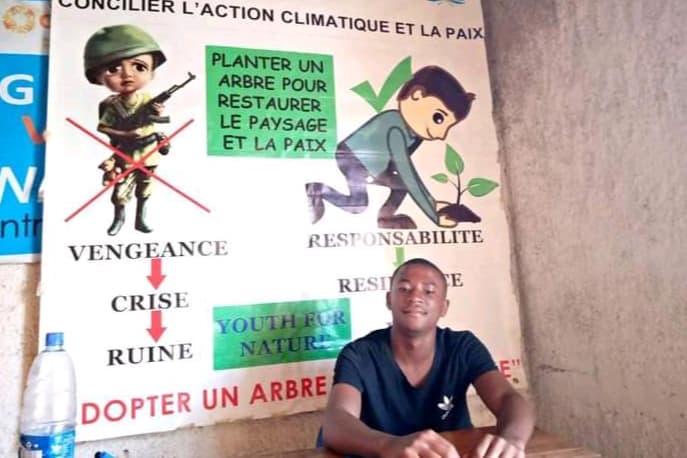 Jackson Kisangani
The Amani Institute provides a welcoming environment for vulnerable children from across makeshift camps and works with volunteers - like Jackson - to provide an alternative to falsehoods spread among citizens that stop them from getting the vaccine.
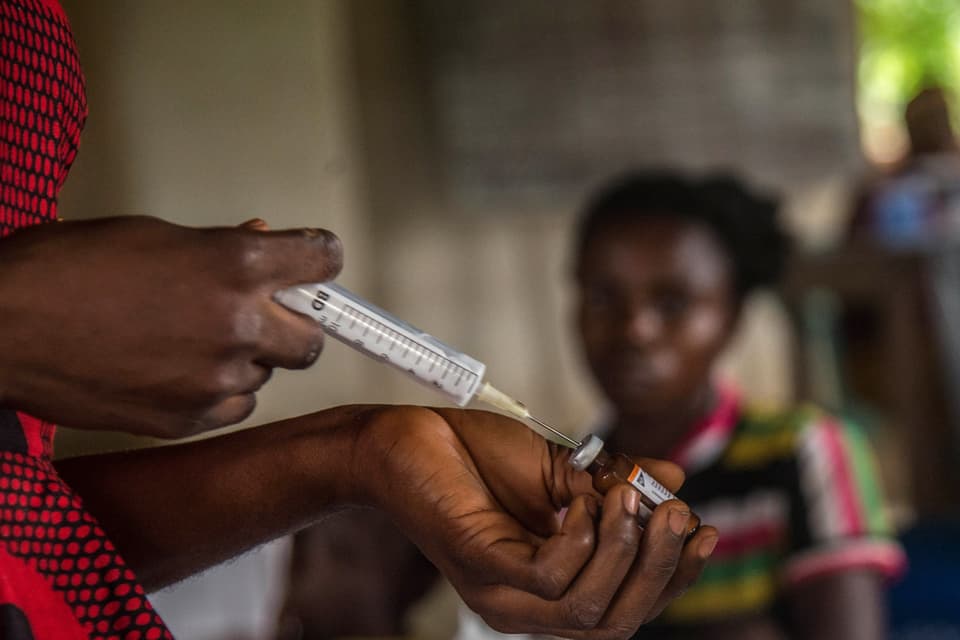
Covid-19 vaccination rates in Congo are among the lowest in the world. Just 0.1 percent of the population has received one dose of the vaccine. The World Health Organization attributed the slow take-up to hesitancy over the vaccine fuelled by rampant misinformation, poor infrastructure and apathy among its politicians in advocating for vaccines.
 AFP via Getty Images
According to a report from the Africa Centres for Disease Control and Prevention, willingness to take the Covid-19 vaccine is lower among women and younger people - the very people Tsongo’s organisation aims to connect with.
The project began with radio shows hosted by volunteers who brought musical instruments and pamphlets to the studio to discuss Covid-19 safety measures.
“We proposed those programmes to the local community radio in the area because the government asked the people to stay home – they couldn’t leave,” says Tsongo, 27. “They were at home, but they could understand the radio and they could understand the programme.”
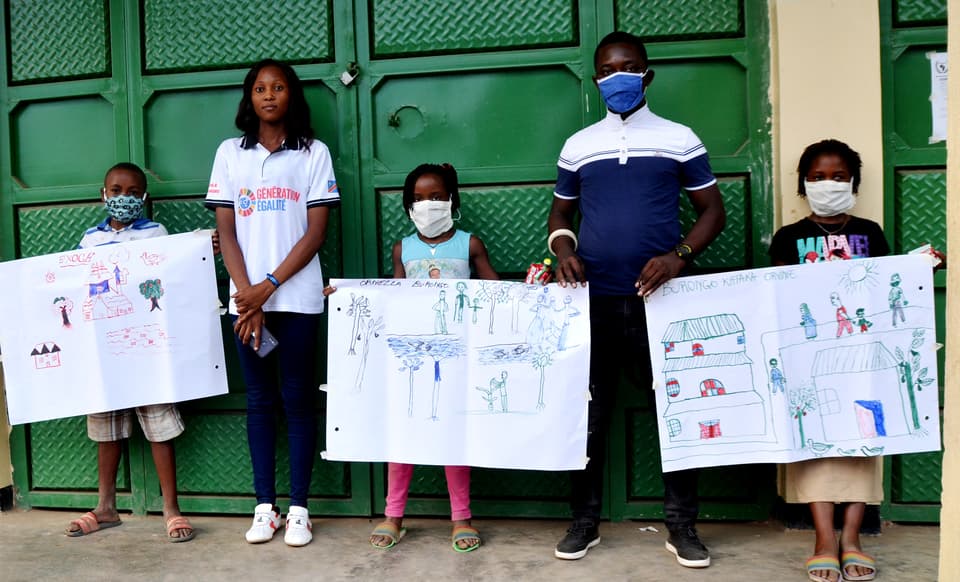
A mobile library initiative allowed young volunteers to borrow books to stave off boredom during lockdown, and a “gardens of hope” project gives young children a safe place to draw and play.
 Amani Institute
The Amani Institute’s projects provide a safer alternative to the lure of rebel groups, says Tsongo. “With Tupone Wote we thought about the people in the region who are suffering from war and its effects for someone who saw for example his parents being killed, or her mum being raped,” he says.
“We try to give ideas on how they can manage the stress with our own strategies. We use our energy, our talents, our know-how.”
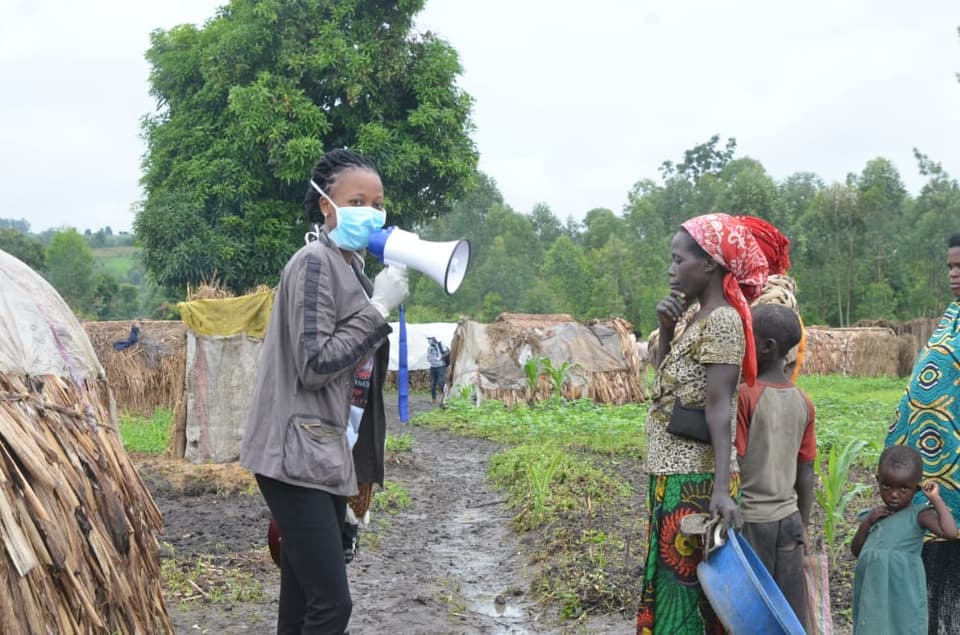
Volunteer teams take to the streets, megaphones in hand, with pamphlets and posters to educate residents on Covid-19 safety measures. A hand-washing station is set up including a decorated bucket adorned with the words “Stop Corona”.
Coordinating the young volunteers is a task undertaken by staff such as Francois Kamate: “We put a focus on the fight against the coronavirus – but also, and above all, put a focus on the fight against hate speech during these painful moments.
“We were aware that we could not succeed in the pandemic in a disunited state.”
 Amani Institute
Tsongo says the work is already having an impact. “We have the confidence of the local community. They believe in what we are doing. That’s why they accepted what we told them - that Covid exists.”
Now more than 2 million vaccinations have been delivered to Congo, a country with a population of 90 million, according to the World Health Organisation (WHO). Figures from October 18 show that at least 140,254 vaccines have been administered. The growth, although slow and gradual, is vital to prevention of a new strain of the virus.
Young people are being encouraged to take the vaccine themselves and to speak out against ignorance. Promotion for the Defence of the Rights and Interests of Young People (PRODDIJE), is another youth group based in Congo’s capital Kinshasa.
Its coordinator, Jerry Kankala, has called on young people to find solutions to the challenges of the pandemic and has run workshops to encourage young people to speak out against ignorance.
It’s clear that the growing trust in vaccines in Congo - currently 2-in-3 people surveyed say they have faith in inoculations - requires young advocates to be on board. Says Tsongo: “We are proving to them that we can be trusted and if you believe us, you may be protected.”