
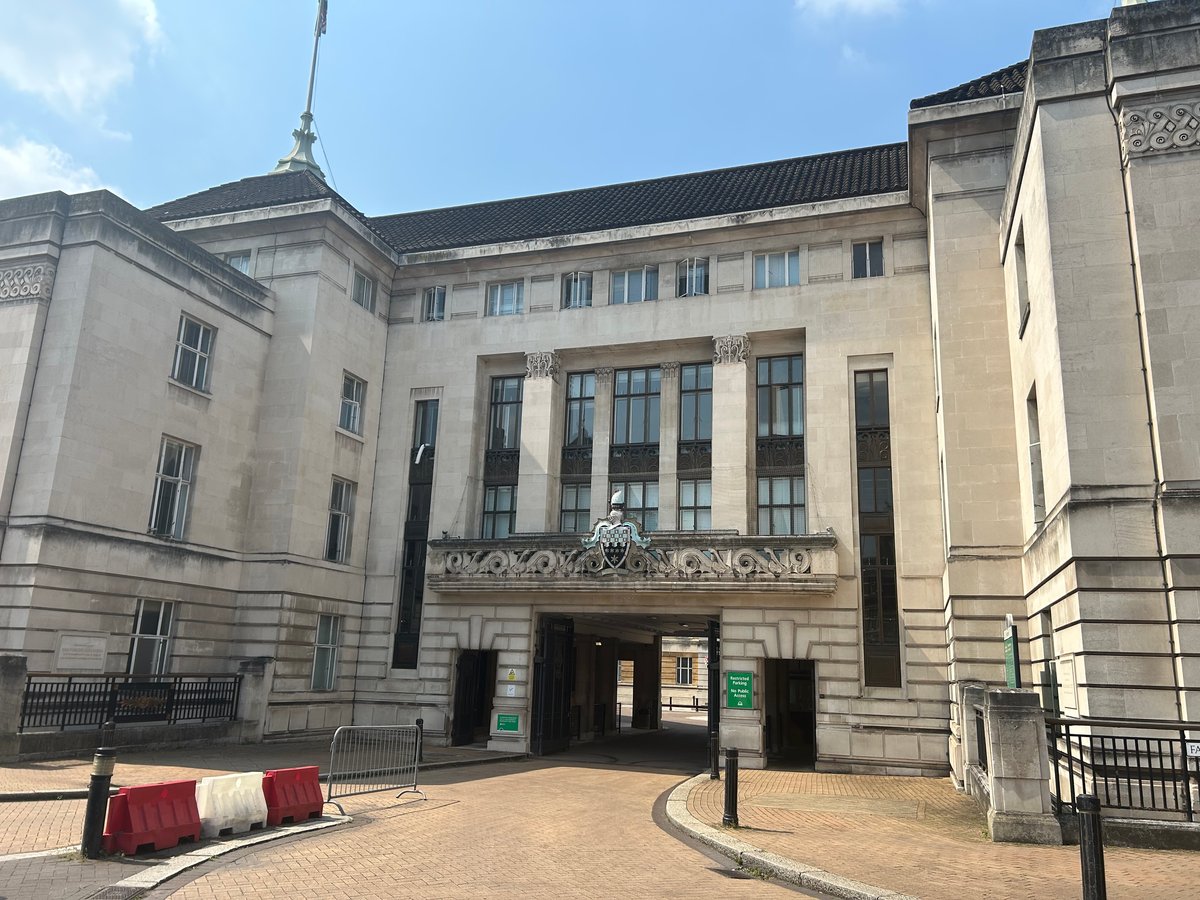
Wandsworth Council is preparing a proposal that could lift resident council tax bills by as much as 160 per cent, the steepest increase ever contemplated in England.
The borough foresees a 40 per cent reduction in the cash it receives from central government, the highest borrowing levels in its history and reserves that are forecast to run out within three years if urgent action is not taken.
These financial pressures arrive as the political balance on the council remains fragile. Labour won the authority for the first time in the 2022 local elections, but the most recent May poll left the Conservatives on 29 seats, one short of the 30 needed for a majority, while Labour holds 28. The resignation of Labour councillor Lizzy Dobres from Trinity ward shortly after the election triggered a by‑election scheduled for 27 August, which could determine which party ultimately controls the council.
Conservative administration spokesman warned: "The Labour Government is slashing 40 per cent of Wandsworth Council's funding, leaving us with the worst cash loss of any council in the country." He added that the previous Labour administration had spending plans that would have exhausted all reserves and driven the borough into bankruptcy within 18 months, creating a £137 million budget gap.
Labour leader Simon Hogg countered the narrative, stating: "When Labour ran Wandsworth Council we had the lowest council tax in the country, the highest reserves of any neighbouring borough and no external debt." He accused the new Conservative administration of chaos, claiming cuts to domestic‑abuse services, the youth bus, and the cancellation of new council homes for 400 local people.
The proposed tax hike follows a broader trend of municipalities confronting shrinking higher‑level transfers. In Canada, many cities have seen provincial funding shrink, forcing larger property‑tax increases to preserve services. Similar pressures are evident in several US states, where towns face state budget cuts that could translate into higher local taxes.
Wandsworth and neighbouring Westminster already enjoy the lowest and second‑lowest council tax rates in the country, with benchmark Band D homes paying £1,020 and £1,047 respectively, figures that include the £510 City Hall surcharge.
Under Labour’s Fairer Funding Review, six London authorities – Kensington and Chelsea, Hammersmith and Fulham, Wandsworth, Westminster, the City of London and Windsor and Maidenhead – are slated for the deepest cuts to funding settlements. These councils will be exempt from the national 5 per cent cap on council‑tax rises from next year, meaning they could raise rates well above the usual limit to cover shortfalls.
Westminster Council has already written to its 200,000 residents warning of an "unprecedented" £100 million drop in central funding over the next three years and suggesting that a 200 per cent tax increase may be required if spending is not curbed. Ministers have defended the exemption, arguing that the six authorities have historically very low bills and should be given flexibility for two years.
Special permission to exceed the cap has been granted before: Worcestershire Council was allowed to raise its tax by 9 per cent last year, and Newham set a London record the previous year with an 8 per cent increase.
These developments were first reported by the source material.