
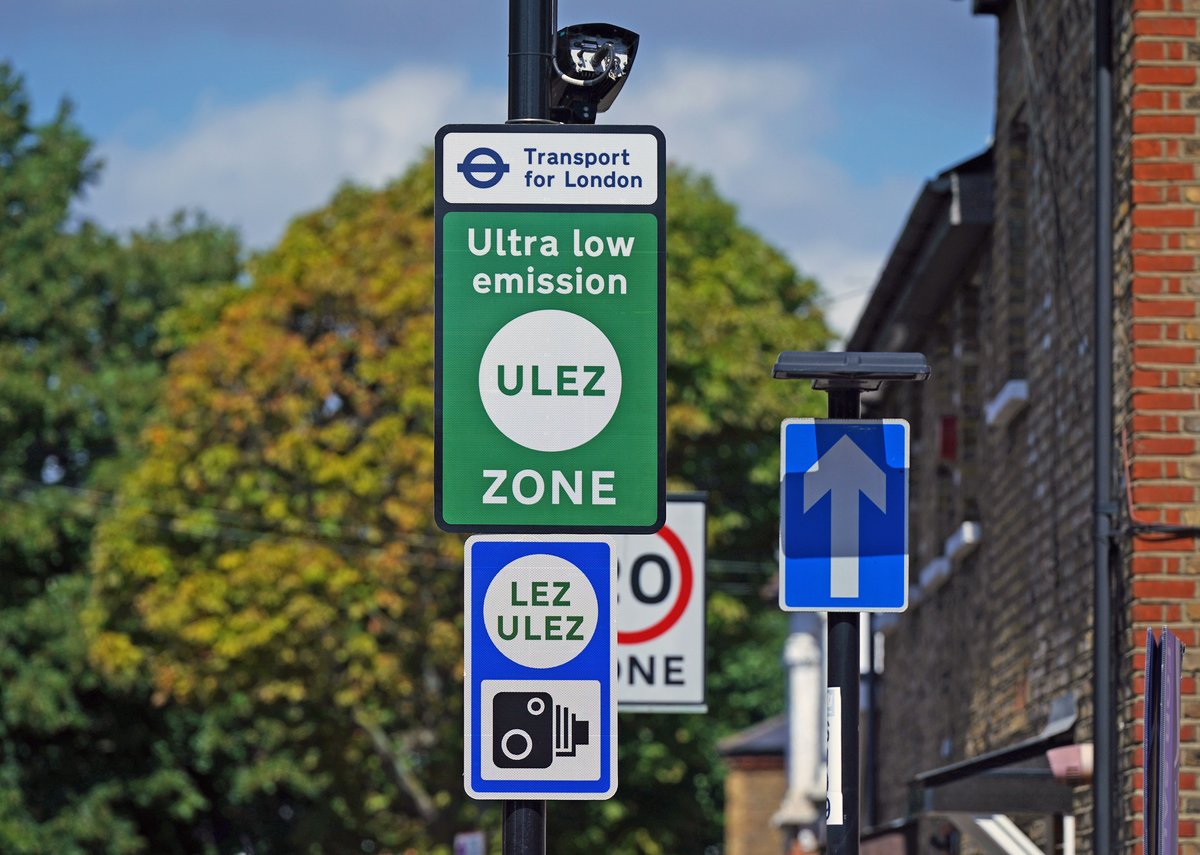
A longitudinal study involving over 3,400 children aged six to nine has found that London’s ultra‑low emission zone (ULEZ) is associated with accelerated lung growth. The research, led by scientists at Queen Mary University of London, tracked participants from 84 primary schools in London and Luton during annual school visits between 2018 and 2022.
Study design and key findings
Luton was chosen as a control site because its traffic‑related pollution profile mirrors London’s but it does not operate a clean‑air zone. Baseline measurements taken before the ULEZ came into force in 2019 showed that London children had significantly smaller lung capacity than their Luton peers.
Over the five‑year period, lung growth among the London cohort accelerated, narrowing the gap so that by the end of the study the two groups had comparable lung size and health. The researchers attribute this improvement to the marked reduction in air pollutants recorded after the ULEZ was introduced by the mayor, Sadiq Khan.
Publication and reaction
The findings were published on Tuesday in The Lancet Public Health. Sarah Sleet, chief executive of Asthma + Lung UK, welcomed the results, stating, "ULEZ can spark fierce political debate, but this study replaces the polarised opinions with hard evidence," and adding, "The ULEZ has been a world‑leading public health success and should be replicated in urban areas across the country."
Since its launch, the ULEZ has been a flashpoint in public debate. Proponents argue it has cut urban air pollution, while critics contend the £12.50 daily charge for non‑compliant vehicles disproportionately burdens low‑income workers, small business owners and tradespeople who rely on older vans and cars.
International relevance
Health officials in Canada and the United States, where childhood respiratory problems linked to air pollution are rising, are watching the London data closely. The study provides empirical evidence that could inform future clean‑air policies in major North American cities.
Both countries’ public‑health agencies have highlighted the need to understand how vehicle emissions affect child health, and the London results may serve as a benchmark for evaluating similar interventions.
Policy implications
The research adds weight to calls for expanding low‑emission zones beyond London. While the scheme remains controversial, the new evidence suggests that reducing children’s exposure to toxic exhaust can mitigate the risk of long‑term conditions such as asthma, chronic obstructive pulmonary disease and lung cancer.
With the study’s authors providing robust data, the onus now lies with local and national leaders to decide whether to adopt comparable measures elsewhere.