
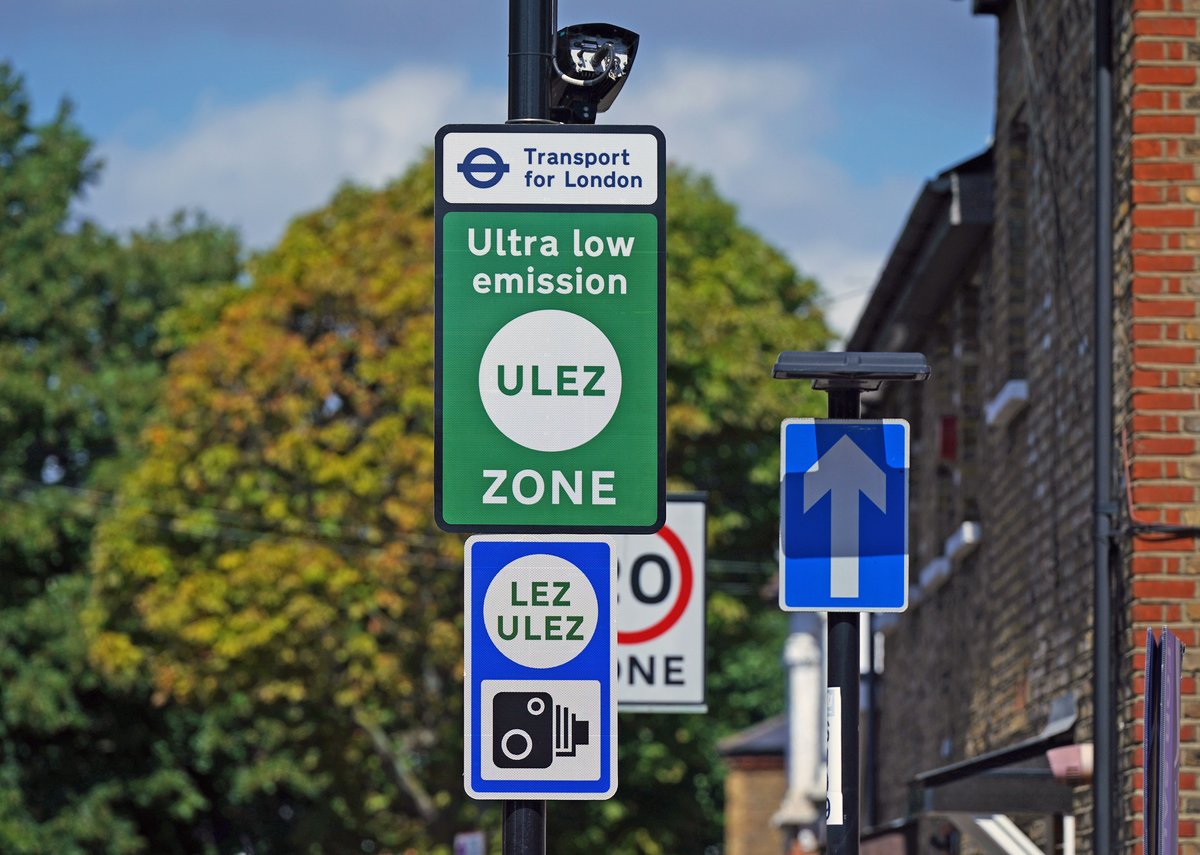
A new study showing that London's ultra-low emission zone helped children's lungs grow faster offers a model that Canadian and American cities could follow.
Study details
Scientists led by Queen Mary University of London monitored the lung health of more than 3,400 children aged between six and nine during annual school visits from 2018 to 2022.
Children from 84 primary schools in London and Luton took part in the research, with Luton used as a comparison because it has a similar mix of traffic pollution but did not have a clean air zone.
Researchers examined how changes in air quality affected children's lung development after the ULEZ was introduced by the mayor of London back in 2019.
Before the scheme came into force, initial measurements showed children in London had significantly smaller lung capacity than those in Luton.
But over the five-year study, researchers found lung growth among children in London accelerated, with their lung size and health becoming comparable with children in Luton.
The researchers said the improvement in children's lung growth was strongly linked to improvements in air quality following the introduction of the ULEZ. Cities such as Toronto have been debating comparable low-emission zones, while U.S. metros including Los Angeles and New York have piloted similar programs. The findings provide evidence that such policies can deliver measurable health benefits, reinforcing calls from public‑health officials across North America.
The findings were published on Tuesday in The Lancet Public Health.
Implications for Canada and US
The ULEZ has been controversial since it was introduced by Sadiq Khan in 2019, with supporters saying it has helped cut air pollution and critics opposing charges for drivers of non‑compliant vehicles.
But Sarah Sleet, chief executive of Asthma + Lung UK, said the research provided "hard evidence" that low‑emission zones can help reverse the damage caused by air pollution to children's lungs.
"ULEZ can spark fierce political debate, but this study replaces the polarised opinions with hard evidence," she said.
Drivers of vehicles that do not meet minimum emissions standards must pay a £12.50 daily charge to enter the zone.