
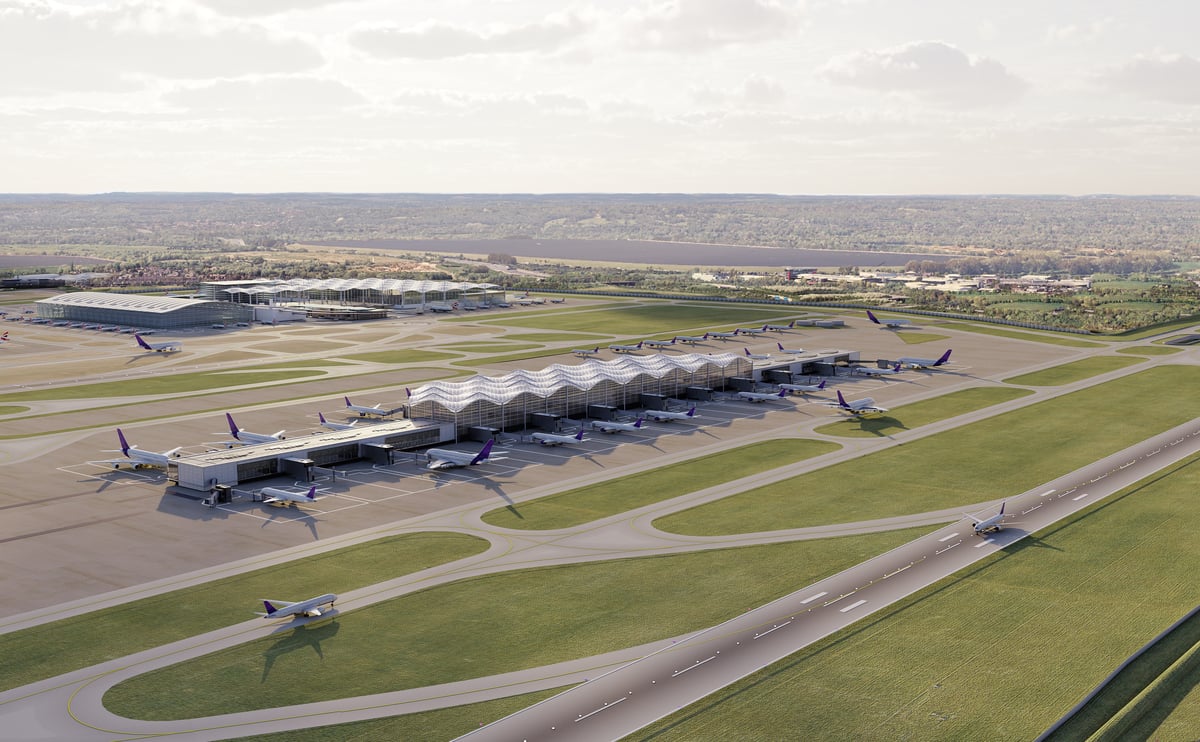
Sir Sadiq Khan, the mayor of London, has warned that the UK government’s plan to add a third runway at Heathrow Airport rests on an insufficient and out‑of‑date case. In a submission to the House of Commons Transport Committee, the mayor and Transport for London (TfL) argued that the evidence underpinning the proposal is almost ten years old.
Out‑of‑date evidence and policy gaps
The Department for Transport’s Heathrow Expansion National Policy Statement (HENPS), published in June, is intended to guide decisions on any development consent for a new runway. City Hall, however, says there is a "significant gap between the strategic narrative and the evidence presented". It points out that many of the projected benefits are uncertain, only partially quantified, or would require additional policies beyond the airport expansion itself.
The submission criticises the government for relying heavily on the 2015 Airports Commission report, which recommended a new runway but did not adequately consider material changes such as the decline in business travel, the growth of other UK airports and the new Net Zero carbon targets.
Environmental concerns
Sir Sadiq Khan has opposed the expansion for years, saying it would have a "severe impact it will have on noise, air pollution and meeting our climate change targets". The mayor and TfL contend that the revised environmental tests "do not provide sufficient reassurance that an expanded Heathrow can be delivered without very serious environmental impacts".
London’s own air‑quality improvements are highlighted as a benchmark. Since the introduction of the Ultra Low Emission Zone (ULEZ), average NO₂ concentrations in the Heathrow area have fallen by 34 % and PM2.5 levels by 28 %. The mayor warned that "This progress must not be undone by the expansion".
Transport and capacity implications
The HENPS stipulates that a third runway must not generate additional noise beyond levels recorded in 2024. Yet the submission projects that passenger numbers at Heathrow could rise by 79 % to 150 million annually if the runway is built. This would translate into an estimated 60,000 extra highway trips each day – 22 million a year – creating what the mayor describes as "intolerable strain on the highway network, worsening congestion, increasing air pollution and carbon emissions and eroding the economic benefits in the wider region".
To avoid extra road traffic, the share of passengers using public transport would need to climb from 39 % to 65 %. TfL’s analysis suggests this would require substantial upgrades to rail connectivity, including the Piccadilly Line upgrade, new trains on the Elizabeth Line, and direct services to destinations such as Waterloo, Basingstoke and Reading.
Government timetable and broader context
Despite the mayor’s objections, there is no indication that the new government will reverse the plan. Ministers are aiming for planning approval by 2029 and for the runway to be operational by 2035. A Department for Transport spokesperson previously told the LDRS that airport expansion will unlock jobs, strengthen Britain’s connectivity and attract international investment, while supporting decarbonisation goals and minimising local impacts.
The debate mirrors discussions in North America, where Canada and the United States are also weighing airport capacity against climate and community concerns. First reported by the source material, the Heathrow case is being watched closely for lessons on managing noise, emissions and the wider impact of airport growth.