
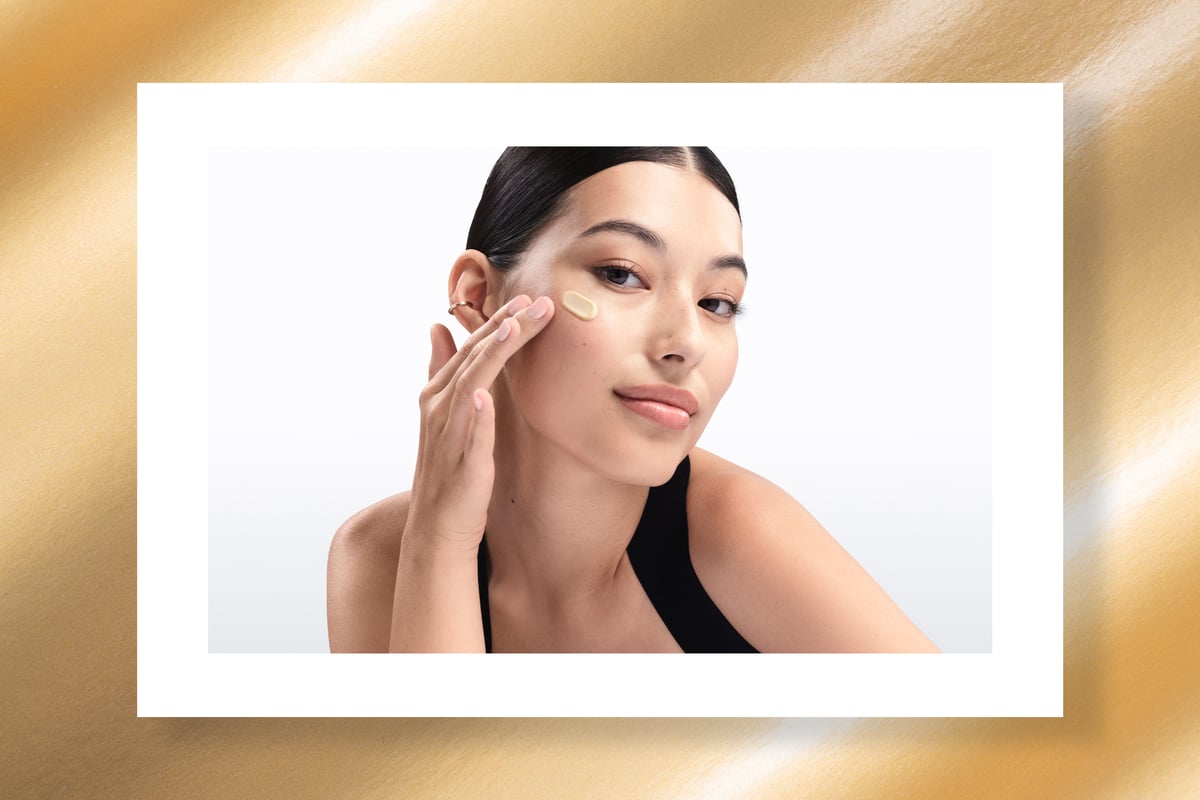
When I was renovating my home, a dust‑laden rash broke out on my forearms. The irritation was itchy, inflamed and flared whenever I felt stressed or was re‑exposed to the dust. Medical professionals who examined me noted that the skin returned to normal quickly after each flare‑up and asked about my skincare routine, diet, sleep and overall lifestyle. I have dealt with acne in the past, so the episode reminded me how quickly skin can react to external stressors.
From anti‑ageing to longevity
In a recent interview, Dr Tamsin Lewis, a physician who specialises in longevity medicine, explained that the emerging trend in skincare is moving away from the traditional anti‑ageing model, which treats visible signs after they appear, toward a longevity model that targets the underlying biological changes that drive those signs. She said that longevity medicine aims to keep bodily systems working rather than simply chasing a youthful look, and that the same principle is now being applied to skin.
According to Dr Lewis, age‑related shifts include slower DNA repair, increased inflammation, reduced collagen synthesis and weakened mitochondrial function. Mitochondria, she noted, regulate cell death, inflammation and stress responses, so their decline can have widespread effects across tissues. The goal, therefore, is not to make the skin look younger but to preserve its inherent biological capabilities, allowing it to function more effectively, recover faster, handle stress better and maintain structural integrity over time.
Targeting mitochondria with Mitopure
Lancôme has launched a new product range called Absolue Longevity MD in Canada this season. The line is built around an ingredient named Mitopure, which is a highly purified form of the compound urolithin A produced by the company Timeline. Urolithin A is linked to the cellular process of mitophagy – the removal of damaged mitochondria – a process that declines with age.
Dr Lewis highlighted that oral supplementation of urolithin A has been shown in published human studies to improve mitochondrial function and muscle health. However, she cautioned that evidence for topical application on skin is still emerging. Her confidence in the ingredient grew after touring Lancôme’s research facility in Paris, where she observed a serious research and development programme rather than a marketing showcase.
She also warned that many promising actives fail because the skin barrier prevents them from reaching their intended targets. The ambition of the longevity‑focused line, she said, is to enhance skin resilience rather than deliver rapid, dramatic changes.
What this means for consumers
For readers who have experienced flare‑ups like mine, the shift toward supporting the skin’s biological functions may offer a more sustainable approach. By bolstering mitochondrial health and encouraging mitophagy, products such as those in the Absolue Longevity MD range aim to make skin more robust against stressors, including environmental irritants and the inevitable effects of ageing.
While the scientific community awaits more robust topical data, the combination of a rigorous R&D effort and the emerging understanding of cellular ageing suggests that longevity‑oriented skincare could become a meaningful complement to traditional anti‑ageing routines.