
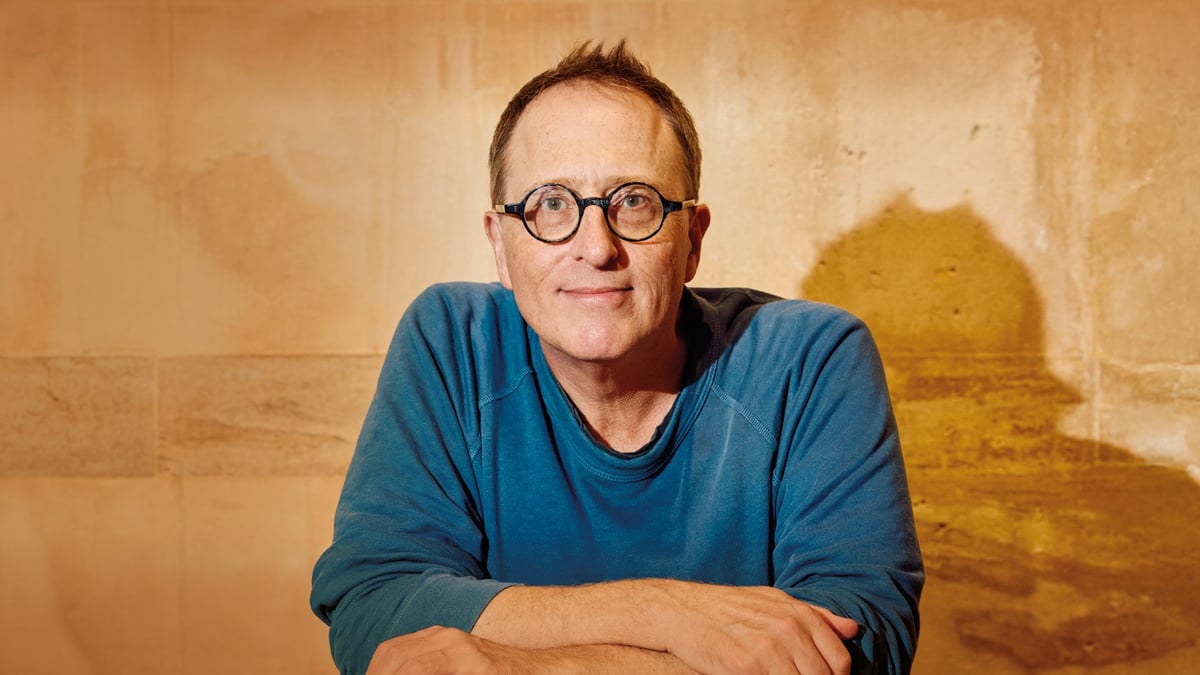
Jon Ronson’s latest book, The Castle, uses a 2023 incident in Connecticut to explore what he describes as a masculinity crisis stretching across the United States and Canada. The narrative begins when Ronson’s son, Joel, awoke to a flood of messages about a party that, in fact, never took place.
The Connecticut Castle Incident
Joel travelled to a faux‑gothic castle in Connecticut owned by Chris Mark, the great‑grandson of a Gilded Age steel magnate. Rather than a conventional party, Mark staged a “reality show” in which women dressed as princesses and competed for his affection. Ronson’s investigation pulled him into Mark’s eccentric world and soon attracted hostile attention. He later disclosed receiving a threatening message that warned of a visit from “some friends of mine that were in prison for killing somebody” if he persisted in writing about the castle.
From a single party to a broader cultural critique
Ronson uses Mark’s event as a springboard to examine “unmoored” men across the continent. He argues that the dynamics he observed echo the online culture wars currently playing out in Canada, where debates over gender expectations have intensified. Canadian commentators have noted that the backlash against perceived anti‑feminist sentiment mirrors the patterns Ron describes.
Among the interviewees, parenting YouTube star Greg Chism stands out as a particularly tragic figure. Chism suffered a nervous breakdown after his algorithm and audience turned against him, illustrating the personal toll of the wider cultural clash.
Linking past and present shaming
The book feels like a spiritual sequel to Ronson’s 2015 work So You’ve Been Publicly Shamed. He draws a line from today’s angry anti‑feminism to the public shaming that characterised the #MeToo era, even citing an Australian school incident where boys were forced to apologise to girls for the concept of rape.
Ronson, no stranger to the culture wars, navigates the terrain with his usual deftness. The only noticeable misstep, according to critics, occurs in a chapter on anti‑woke influencers where he labels the YouTube videos of Piers Morgan‑wannabe Andrew Gold as “extreme content”.
The Castle is published by Viking and is available for purchase now.