
Wirecard may feel like a faraway tale of a crooked German firm but it's more local than you'd think.
For starters, "Europe's Enron" comes just as the region is plotting to take control over increasing amounts of regulated business from the City, post-Brexit.
Many continental financial firms and their clients have been sceptical about the capabilities of their local regulators and banks to run the big wholesale banking work that London has been doing for the EU over many decades.
This howler of a scandal will do nothing to ease their concerns.
Blame the auditors all you like (they deserve it), but regulators supposedly overseeing the German company have abjectly failed.
Even as allegations of major wrongdoing swirled last year, German banking regulator Bafin appointed only one person to scrutinise the giant firm.
It heaps shame and humiliation on Germany that it took an English newspaper, the Financial Times, to expose the scandal.
Expect the financial power-drift from the City to Frankfurt to be less hasty now, and a newly-confident Amsterdam to take over more of Germany’s financial regulatory work.
Wirecard is a UK story, too, because more than 1.5 million British citizens and merchants have now found themselves unable to make transactions and in some cases, access their money thanks to Wirecard’s implosion.
Fintech firms like Curve used Wirecard exclusively to make their transfers, as did stock market quoted Morses Club. Morses today admitted that its U Account customers have now had their funds frozen.
Quite why they hadn't switched earlier is a question they have to answer their angry customers. Perhaps they weren't reading the FT this past 18 months.
Wirecard’s collapse creates opportunities as well as headaches. Rival payment processors are gleefully onboarding Wirecard’s stranded clients and charging a premium, no doubt.
Read More
Customers like Revolut are not in such a desperate position. It was wise enough to have multiple providers, and has switched seamlessly.
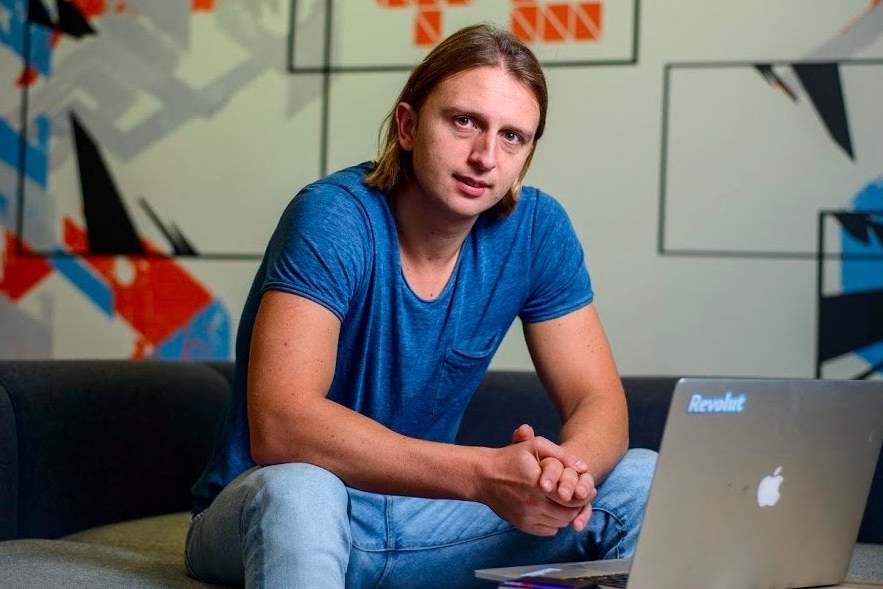
Now, from his eyrie in Canary Wharf, founder Nikolay Storonsky should ponder the deeper opportunities at hand.
Wirecard is a goner, but its software and licence to process card payments for merchants (known as "acquiring" in the lingo) could come up for sale in its liquidation.
Storonsky should put in a bid.
Why? Because building from scratch a platform robust enough safely to hook up to Visa, Mastercard and the banks costs a fortune in time and money.
Wirecard's platform may have had a careless owner, but it is built, roadworthy and ready-to-go.
It would be a quick route to Revolut getting an acquirer's licence and putting a turbocharger under its recent push into the business banking market.
Not only that, but it would save Revolut a bunch of fees for other acquirers' payment processing services.
Storonsky raised $500 million from investors in February, just before covid hit Europe.
If he could use some of it to buy the Wirecard platform for a song, he'd put Revolut up there with Adyen and Worldpay as a player in this moneyspinning corner of financial services.
And what does "moneyspinning" look like? Last year, Adyen made an underlying profit of e126 million. That was up 79% on the year, fuelled by profit margins of 57%.
Even if you don't like the sound of that, Nikolay, your new investors might.