
Is this Government really going to prevent citizens from knowing what is being done in their name?
I fear it is, because it seems set on watering down the Freedom of Information Act (FoI).
With a commission already reviewing the scope of the law, a cabinet minister decided to go public with his opinion last week.
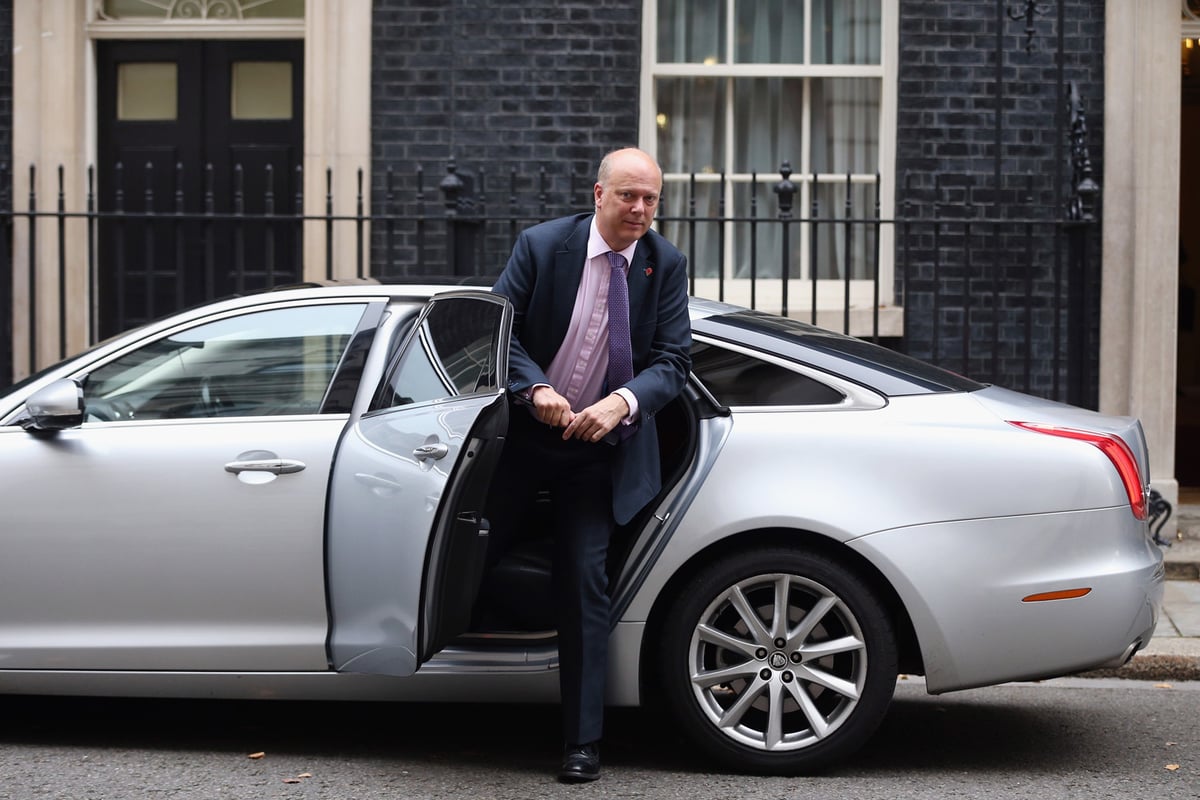
Chris Grayling, the Leader of the House of Commons, had the cheek to say that journalists were misusing the Act. Why? Because they used it to “generate stories”.
Well I never — journalists seeking stories. How bad is that? May I respectfully inform Grayling that that’s what we do. It is our job.
And the Act has proved to be an excellent way of discovering facts that would otherwise remain hidden.
"The cost of FoI obligations would shrink dramatically if those who fielded requests weren’t so eager to withhold information."
<p>Roy Greenslade</p>
He believes it costs too much to service inquiries made under the Act. But the misguided minister is seeing things the wrong way round.
The cost of FoI obligations would shrink dramatically if those who fielded requests weren’t so eager to withhold information that should rightfully be in the public domain.
Indeed, there would be no cost at all if public bodies — such as central government, local councils and police forces — published routine information without prompting.
This newspaper has published several stories after FoI requests that were in the public interest.
In February, figures obtained from the Metropolitan Police revealed that 6000 offences, including murder, robbery and rapes, had been committed by London rioters since 2011, thereby raising pertinent questions about the effectiveness of rehabilitation policies.
In April, Southwark Council was forced to reveal that it had spent £140,000 building a “Berlin Wall-style” metal-spiked fence around one of its housing estates that residents regarded as an eyesore.
In July, the Standard prevailed on Ofcom to reveal that 400 pirate radio setups had been shut down in London in a two-year period.
Read More
It was not an earth-shattering revelation, but that, of course, is the point. Why should such information not be available as a matter of course?
Grayling believes the FoI Act should be used for “those who want to understand why and how government is taking decisions”. Fair enough — up to a point.
That sounds suspiciously like an attempt to narrow the Act’s parameters in order to render it meaningless.
The only way to know whether taxes are being properly spent, authorities are acting appropriately and government is behaving wisely is by winkling information out of public bodies.
The “knowledge is power” cliché is hugely relevant to this argument. Yes, there will be misuse. But in the vast majority of cases, inquiries have been justifiable.
Aside from diluting the Act’s ambit, the other threat is to introduce charges.
This would likely choke off the number of requests because of the cost to local newspaper journalists and freelancers, not forgetting concerned citizens.
The major loser, however, will be the public.
In truth, the provisions of the FoI Act need to be extended. The Government should really think again about this illiberal attempt to stifle investigative journalism.
Roy Greenslade is Professor of Journalism, City University London, and writes a blog for The Guardian