Why Africa’s faith leaders hold the key to dispelling vaccine doubts
In a continent where nine out of ten say they are religious, engaging pastors and imams is key
ABOUT THIS PROJECT

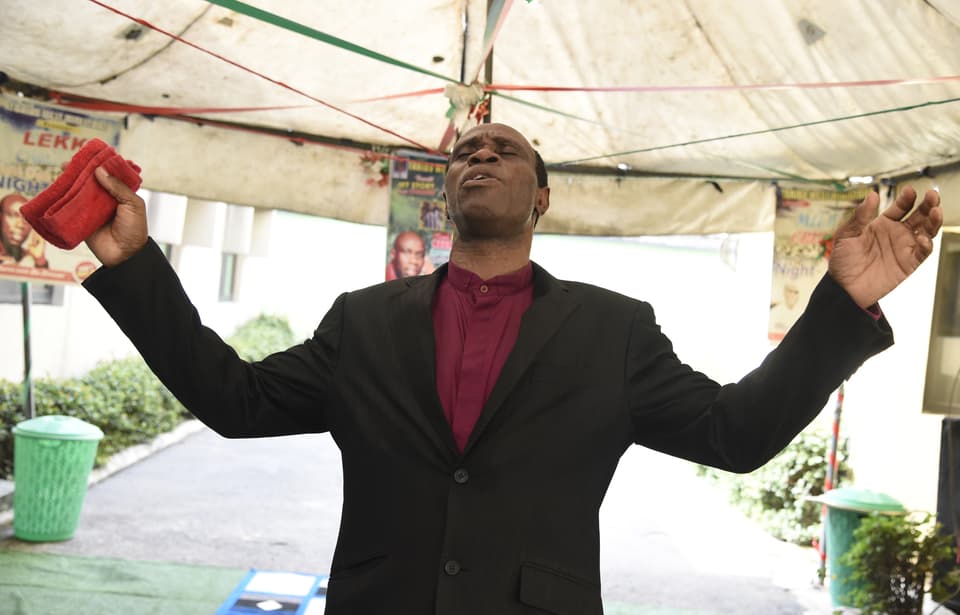
Pastor Oyakhilome was addressing the issue in a special service that takes place on the first Sunday of every month, when his millions of followers around the world log in to hear the ‘message of the month’. It was streamed live from Lagos, where his Christ Embassy church has its headquarters and his meetings often pack out stadiums. In many of his sermons over the past year, which are posted on YouTube, Pastor Oyakhilome has expressed scepticism about the vaccines. And in a clip that went viral, he berated African leaders for waiting for vaccine handouts from the Western world, instead of working to develop their own.
“You quit,” was Pastor Oyakhilome’s blunt answer to his follower’s query. “Drop it and go…Don’t accept it. You are a child of God. Let no one intimidate you.”
Four out of every 10 Nigerians are unwilling to take the COVID-19 vaccine even when they become available, according to a recent survey by Nigeria’s NOI polls. Globally, 31 doses of the vaccine have been administered per 100 people, but in Africa it is about 3 doses per 100 people and in Nigeria just 1.1.
The slow rate of vaccination is mostly due to limited supplies and distribution problems such as the lack of health infrastructure and staff. But there are also fears that vaccine hesitancy is playing a role, with a number of African countries, including Nigeria, South Sudan, and Malawi, unable to use their allocation of vaccines before the expiration dates.
Without the cooperation of the continent’s religious leaders, when vaccine supplies do ramp up, the rollouts in countries like Nigeria are likely to fail.
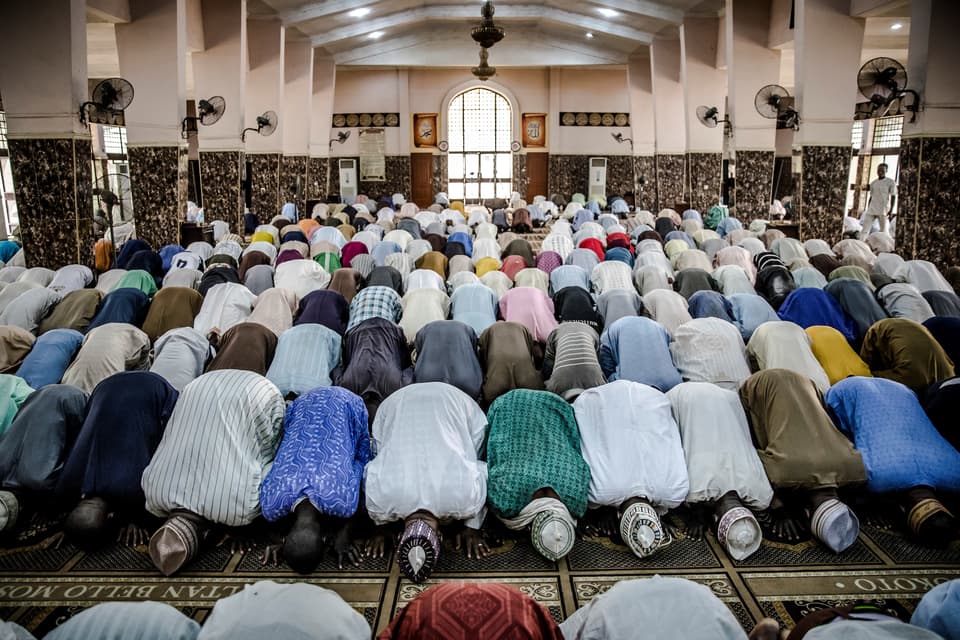
An Afrobarometer survey published last year showed that more than nine in ten Africans identify with a religion. A majority say they are Christians, at 56 per cent, while one in three self-identify as Muslim. More than 40 per cent said they had contacted a religious leader at least once during the previous year, and faith leaders were more widely trusted than any other group of public leaders.
Omolara Olayinka, a 50-year-old banker in Lagos, and a member of Oyakhilome’s Christ Embassy church said she would be guided by her pastor: “I always listen to my pastor when he speaks. I listen to his advice. He has been my pastor for so many years and I have so much faith in him. The Bible talks about us following our leaders and imitating them as they imitate Christ,” she said.
“My pastor has been teaching about why a Christian doesn’t need to take the Covid vaccine and I believe him and that is why I am not taking it.”
As new cases of the coronavirus trend upwards across Africa, the World Health Organisation (WHO) warned last week that the continent was on the brink of a disastrous third wave of disease.
“As we close in on 5 million cases and a third wave in Africa looms, many of our most vulnerable people remain dangerously exposed to Covid-19,” said the WHO’s regional director for Africa, Dr Matshidiso Moeti last week.
“Vaccines have been proven to prevent cases and deaths, so countries that can, must urgently share COVID-19 vaccines. It’s do or die on dose sharing for Africa.”
But when the vaccines do arrive, the public must be ready to accept them and engaging religious leaders is crucial to this effort, say experts. What happens in Africa’s most populous nation Nigeria could have ripple effects across the continent.
For Nigeria’s Muslims, who make up just over half of the population, attitudes to the vaccine have been influenced by a call from Saudi Arabia for all Haj pilgrims to Mecca to prove they had been inoculated against Covid-19.
“Saudi Arabia is recommending the Covid-19 vaccine for would-be pilgrims,” said Hauwa Yusuf, a media consultant in her 40s who is based in the capital Abuja. “No pilgrim gets on the plane without proof of being vaccinated.”