Meet Maggie, the Malawian musician turned lockdown hero
The singer-songwriter became a mask-making designer and vaccine champion to protect her community
ABOUT THIS PROJECT

When her music academy in the city of Lilongwe closed abruptly in March 2020, students were ordered home and Maggie grabbed a few clothes, her precious bass guitar and jumped on a bus for the 12-hour journey to her home area of Karonga in northern Malawi.
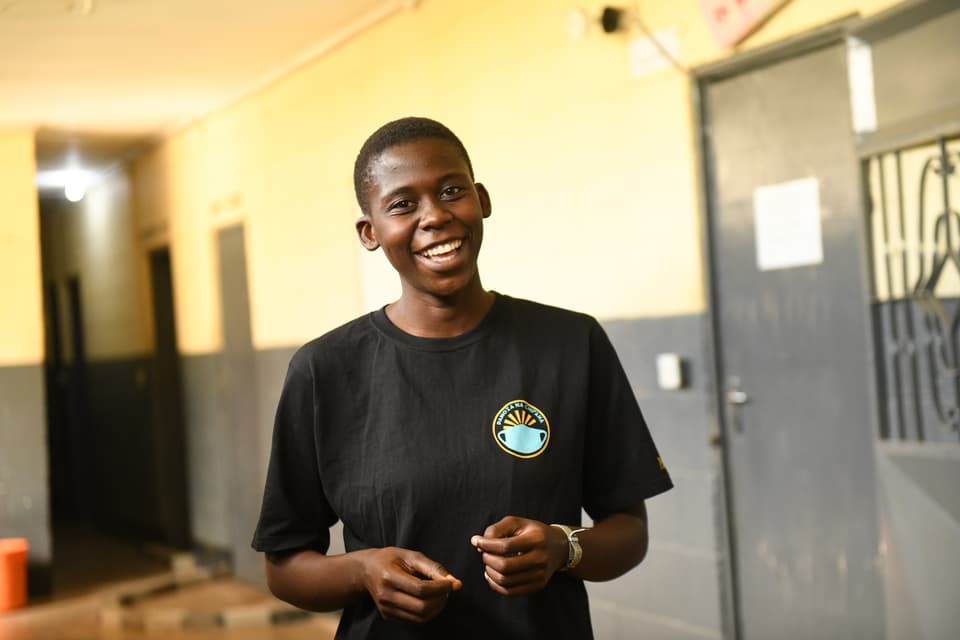
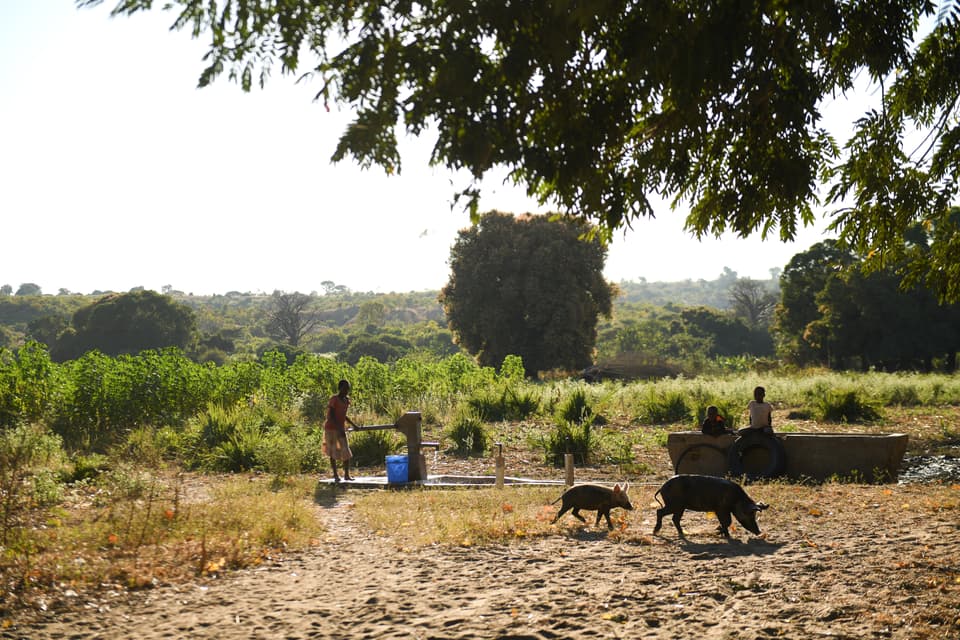
At first, she enjoyed the slow pace of life in her sleepy village, set in an oasis of green near the lapping waters of Lake Malawi. Her days were spent posting her videos on Instagram - clips of her songs, her workout routines - and even cooking demonstrations.
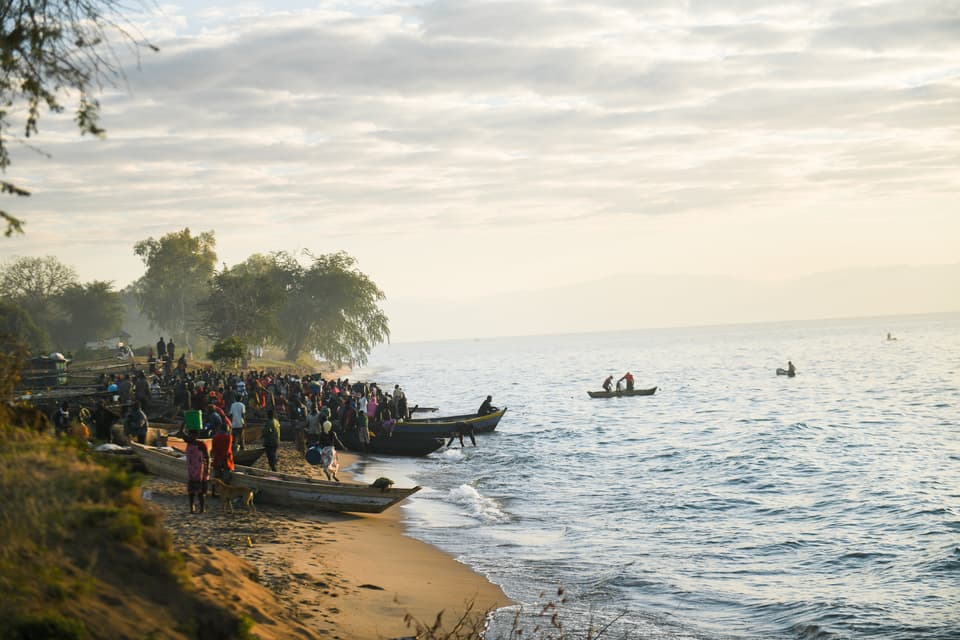
But soon she was bored. “I wanted to be around people safely. I sat down with a friend and we talked about what we could do,” she says. “People were complaining that they could not afford masks, others were ignorant and they didn’t want to wear them. We realised that our old people needed protecting from the virus.”
The price of disposable surgical masks was beyond the means of most people, and they certainly could not afford to throw them away and buy new ones.
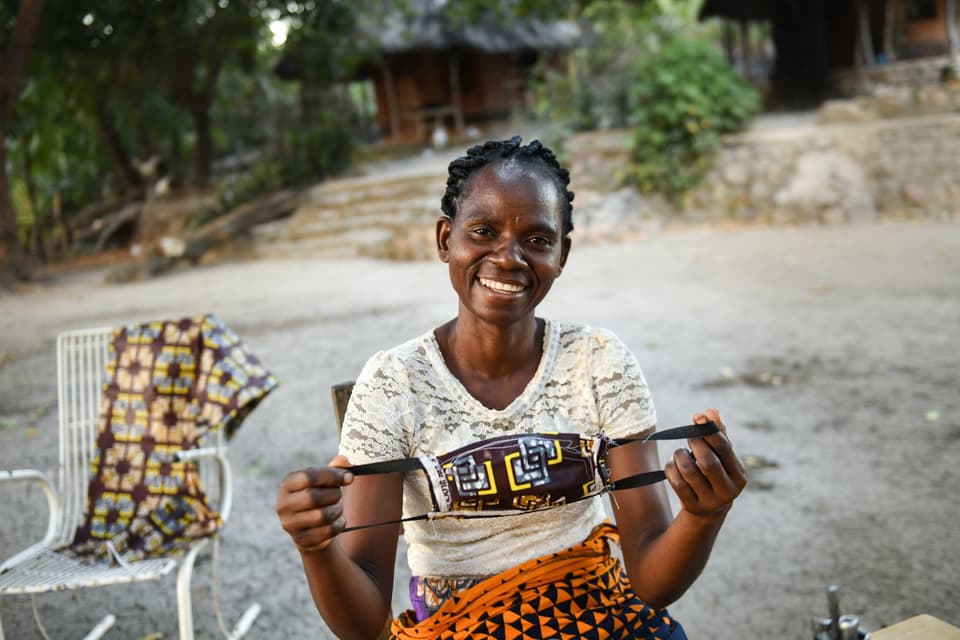
Maggie and her friends established a project called Pamoza Na Chifama, with the aim of protecting people from Covid-19. They pooled their resources and bought four metres of traditional cotton fabric, known as chitenge, and made 36 face masks that could be washed and reused to donate to vulnerable people.
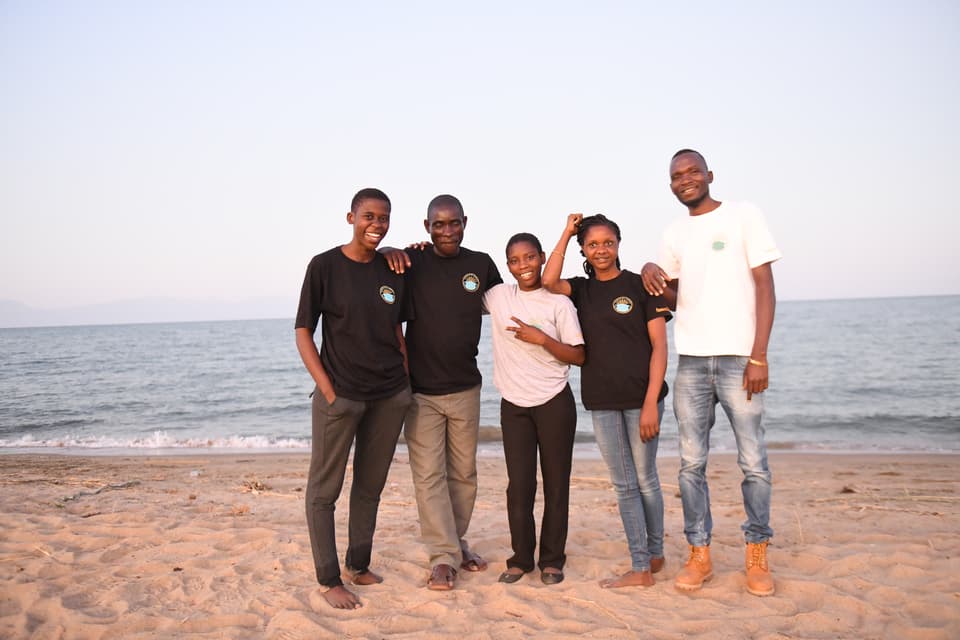
Soon, the project gained momentum – sponsorship from the Breuckmann Foundation meant they could scale up their efforts. They travelled by motorbike around villages, inviting tailors and local chiefs to meetings where they taught them how to make the masks, reaching thousands of people.
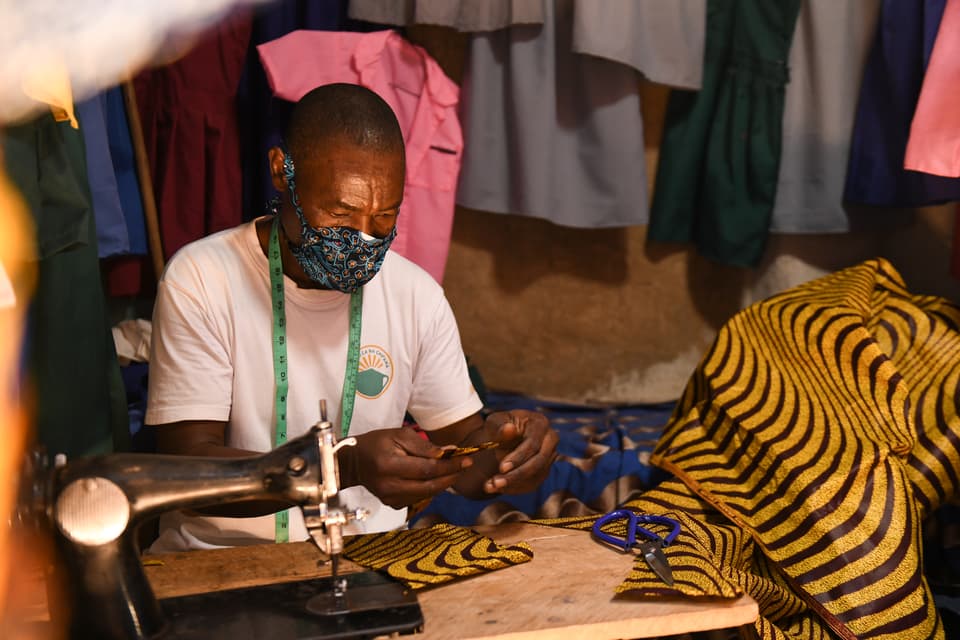
“They would sell them for 100 Kwacha (about nine pence) so people could afford them. Not many people were wearing masks and if they did, they were dirty – but now they were able to wash them,” Maggie says.
The young people realised that misinformation was a big problem – some people refused to believe the coronavirus was real, others believed in false claims spread on social media on how it could be cured. When the Covid-19 vaccine arrived in Malawi in March 2021, fake news about its side effects led to scepticism about the jab and a batch of more than 19,000 doses nearing expiry was destroyed.
“As we started teaching local tailors and also donating some masks in schools, in the community and in churches, we thought it would be better that we broadcast this information to a larger scale,” says Maggie.

The project expanded to local radio stations Radio Dinosaur and Radio Tuntufye with weekly programmes on how to prevent being infected with Covid-19.
“When the vaccine just came, people said we are afraid to go to get the vaccine, because they heard from social media, they read stuff from social media saying if they get the vaccine, a year from now they will die. So they were all afraid,” says Tuntufye radio presenter Gomezghani Mhango.
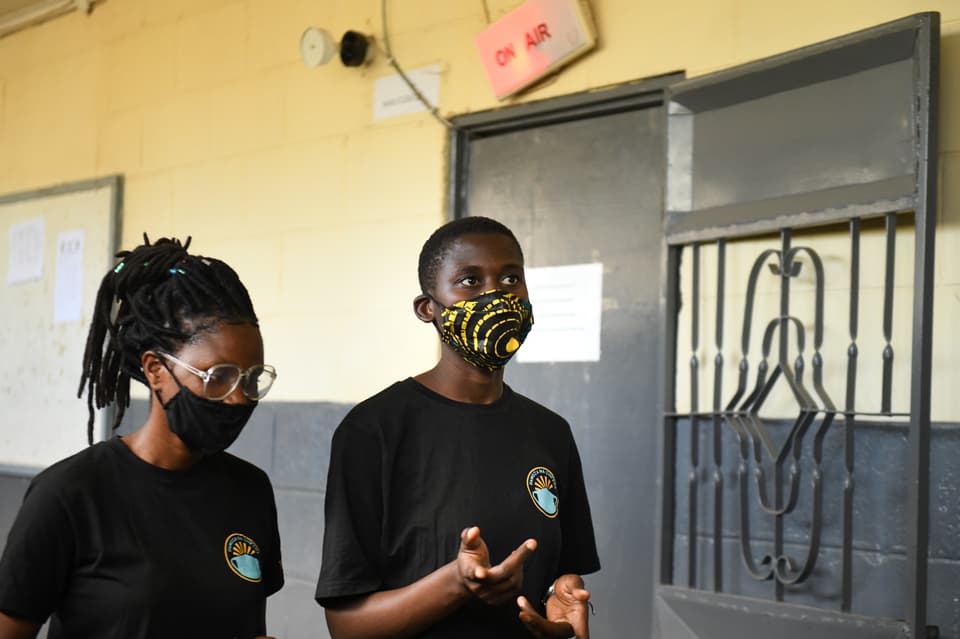
“I can say it plainly, clearly … through the programmes that we have been airing, people were able to understand and appreciate the benefits they can get from the vaccine,” she adds.
A dearth of vaccine supplies has hindered the rollout in Karonga, says Elias Phiri, a Senior Health Officer at Karonga District Hospital, but the broadcasts on the region’s most popular radio stations have gone a long way to combatting vaccine hesitancy.
“In Karonga we have vaccinated around 13,000 first doses and then we have 1,020 people with second dose of the coronavirus vaccine,” he says.