Dozens of fish have been found dead in Wimbledon Park Lake prompting an investigation by Merton Council.
Council officers are currently removing the fish from the 20-acre lake to protect water quality and minimise any impact on wildlife.
An investigation is ongoing but initial findings suggest the likely cause is the “prolonged period of exceptionally hot weather”.
High temperatures can deplete oxygen levels in the lake, with similar incidents found across the country during the recent heatwaves.
It is unclear exactly how many fish have been killed.
But, there is no evidence to suggest that the lake has been polluted, the council says.
A spokesperson for Merton Council added: “We appreciate the concern this has caused. As a precaution, we ask people not to enter the water and to keep dogs and other pets out of the lake until Monday 13 July while conditions stabilise and clean-up work continues.
“We will continue to monitor the situation closely with our partners and will provide further updates as more information becomes available.
“The council has been working over a number of years to improve the long-term health of the lake, including measures to improve water quality and address historic nutrient build-up from natural sources such as waterfowl.
“Further improvements, including the installation of an ultrasonic treatment system to help improve water quality and oxygen levels, are due to be introduced shortly.”
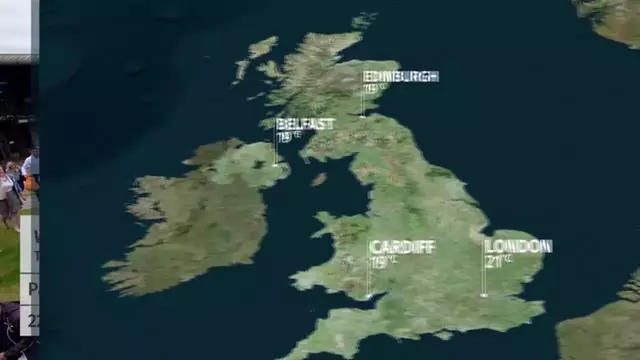
London is currently experiencing its third heatwave of this year, with temperatures peaking at 33C to 35C across the capital.
A UKHSA amber heat health alert is in place until Sunday and residents have been urged to stay hydrated and keep to shaded areas.
Read More


This prolonged hot spell follows a record-breaking spring and early summer.
In May, Kew Gardens recorded a record-breaking 35.1°C, followed by the hottest June ever recorded in the UK, which triggered a rare Met Office Red Extreme Heat Warning and critical incidents across London's emergency services.
Climate scientists claim that human-induced climate change has removed the "natural limits" of summer weather, making recent heatwaves in London and the rest of Europe mathematically impossible in a pre-industrial world.
Now, it is expected to be a recurring annual event, as London’s infrastructure tries to adapt as best it can.
Mayor of London Sadiq Khan has introduced Heat Ready London, a city-wide hot weather strategy that brings together multiple organisations to modernise the capital's ageing Victorian infrastructure and protect London's economy from the impacts of rapidly rising temperatures.